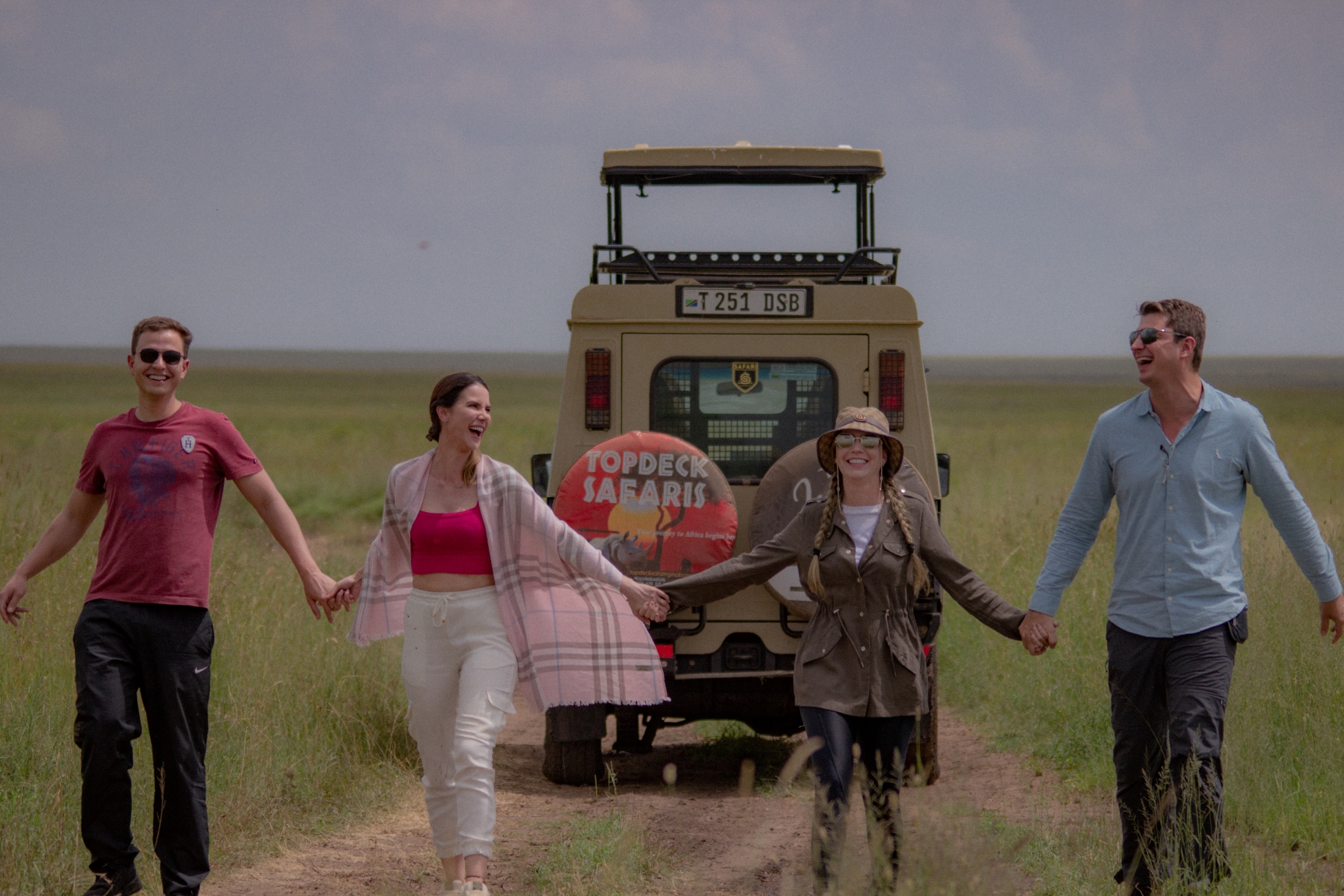
The Real Reason Early Booking Matters
Think of your safari as three layers that must align: the camp locations, the calendar dates, and the routing between parks. If one layer fails, the overall experience weakens. When you book late, you may still travel, but you often accept compromises that you’ll feel every day—longer drives, split stays across camps you didn’t choose, missed room types, or timing that doesn’t match your wildlife goals. Early planning protects your options and lets you design a trip that feels effortless rather than rushed.
Availability: Why the “Best” Options Disappear First
Premium properties in the Serengeti, Ngorongoro, the Maasai Mara, or Botswana’s Delta don’t operate like city hotels. They don’t add floors or create extra inventory to meet demand. Instead, they protect the experience by staying small. Once a prime room category sells out, it rarely returns—especially during migration crossings, dry season wildlife peaks, and holiday windows. If you’re traveling as a couple who wants privacy, a family that needs a suite, or a group that wants adjacent rooms, availability becomes the defining factor. Early booking is how you keep that control.
There’s another reality people don’t talk about enough: the “good camps” are not all equal even when the photos look similar. Location within a conservation area, access to wildlife corridors, guide quality, and how a camp handles guest flow all affect your day. Early planning gives you time to choose wisely rather than choosing quickly.
Pricing: Rate Protection Is Often More Valuable Than Discounts
Safari pricing typically shifts upward over time, and it’s not only the camps. Park fees can change, flight costs fluctuate, and certain experiences may have limited space. When you plan early, you can lock your structure in place while you still have flexibility. Even when discounts aren’t the headline, the hidden win is rate protection and stronger value—especially when you’re booking premium rooms, peak weeks, or multi-country travel.
Routing: The Difference Between a Smooth Safari and a Tiring One
A safari is not just about destinations; it’s about how you move between them. When time is tight and inventory is limited, itineraries often become drive-heavy, with too many transitions that steal time from wildlife viewing. When you book in 2026 for 2027, you can reserve the camps that make sense geographically and consider smart routing options, including fly-in sectors where they genuinely improve the experience. This is especially important for travelers who value comfort, families traveling with kids, or anyone who wants to arrive at camp with energy instead of fatigue.
The best itineraries also respect “soft time”—space to slow down. That might mean a longer stay in one excellent camp rather than changing properties daily, or planning a lighter day after a flight. Early booking creates the breathing room to design those details properly.
What Early Planning Unlocks (Beyond the Basics)
Early booking also helps you secure the experiences that are hard to add later. That can include specific guide styles for photography, private dining setups, better room positioning, or special arrangements for anniversaries and honeymoons. It also gives you time to align international flights with internal connections so your trip begins calmly. For multi-country itineraries, early planning becomes even more important because you’re balancing availability across different regions and travel legs.
| Planning Focus | What Happens When You Book Late | What Changes When You Book Early |
|---|---|---|
| Best room categories | Suites and prime rooms are often gone, forcing split rooms or less ideal categories. | You choose the room instead of accepting what’s left. |
| Prime wildlife weeks | Dates shift and you may miss key windows (migration focus, dry season peaks). | You lock the dates that match your wildlife priorities. |
| Routing & transfers | More long drives and more “travel days” replace game time. | Smarter pacing with fewer tiring transitions. |
| Customization | Limited time means fewer special experiences and less personalization. | Bespoke planning that fits your pace and style. |
How to Plan Your 2027 Safari the Smart Way (In 2026)
A strong planning approach is simple: start with your travel window and your “must-have” experiences, then choose destinations that naturally fit that goal. If you care about migration and big cats, you structure your time to reduce movement and maximize key regions. If you value comfort and privacy, you select camps that provide the right service style and room categories. Once your safari core is strong, you can refine details like room positioning, celebratory moments, and any additions like Zanzibar beach time.
If you want a clear next step, share your approximate dates, number of guests, and comfort level—and we’ll recommend the most logical routing and camp plan for 2027 while availability is still on your side.